
Explore KTS UVB light therapy devices for home use, including compact handheld 308nm devices, narrowband UVB lamps, and larger-area phototherapy systems. Compare wavelengths, treatment areas, dosage controls, timers, and included accessories to find an option that fits your professionally guided phototherapy routine.
Home UVB phototherapy should be used according to the product manual and a treatment plan provided by a qualified healthcare professional.
How to Choose a Home UVB Phototherapy Device
Choosing a home UVB phototherapy device depends on the wavelength, treatment area, dosage controls, portability, and the plan recommended by your healthcare professional. KTS offers handheld devices for localized areas as well as larger phototherapy systems for broader coverage.
Before purchasing, compare the specifications on each product page. Devices that use different wavelengths or light-source technologies should not be treated as interchangeable.
What Is UVB Phototherapy?
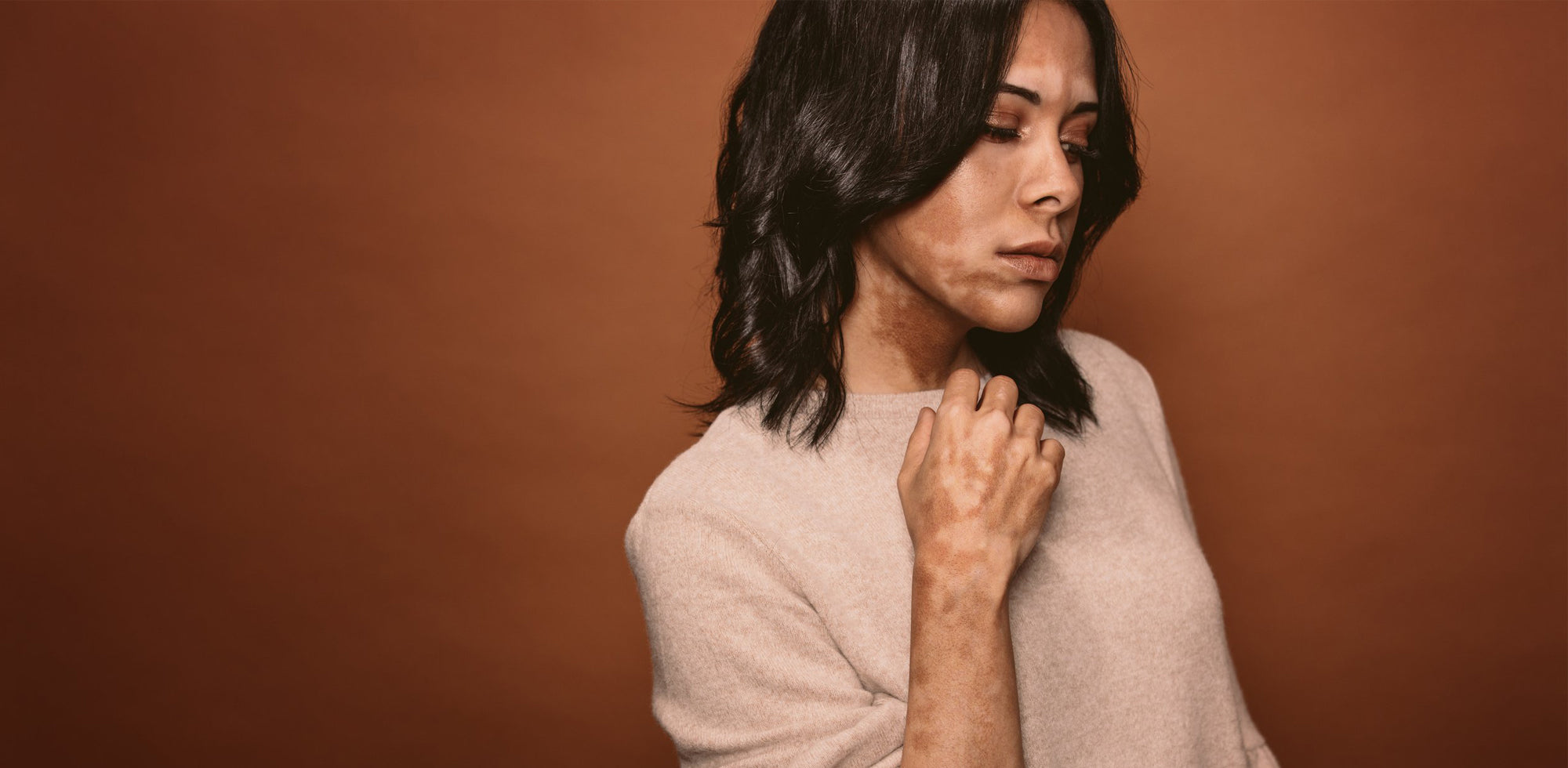
UVB phototherapy uses controlled ultraviolet B light exposure as part of a professionally guided skin-care treatment plan. Dermatology professionals may recommend UVB phototherapy for selected people with UV-responsive conditions such as psoriasis, vitiligo, eczema, or atopic dermatitis.
The wavelength, starting dose, exposure time, treatment frequency, and total duration depend on the condition, treatment area, skin response, medical history, and type of phototherapy device being used.
Home UVB Phototherapy Device Options
Handheld 308nm UVB Devices
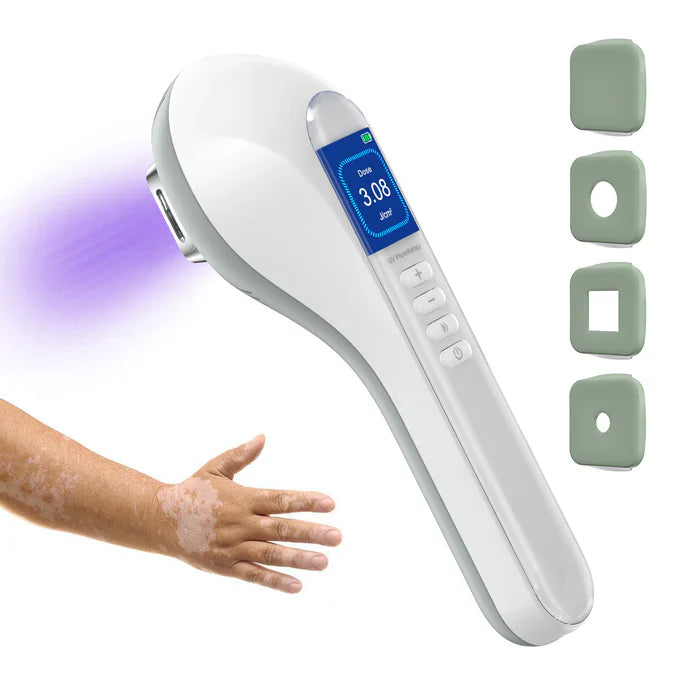
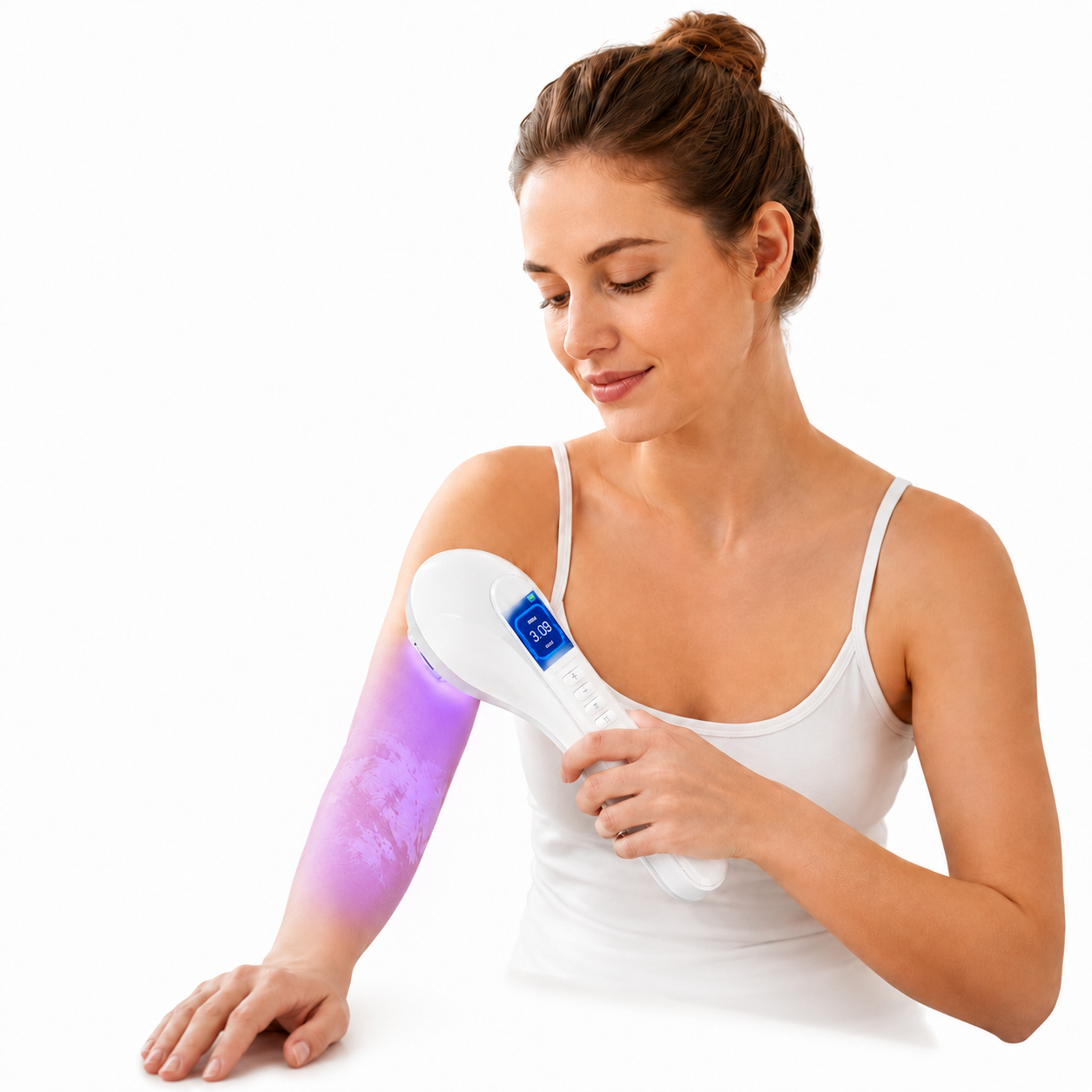
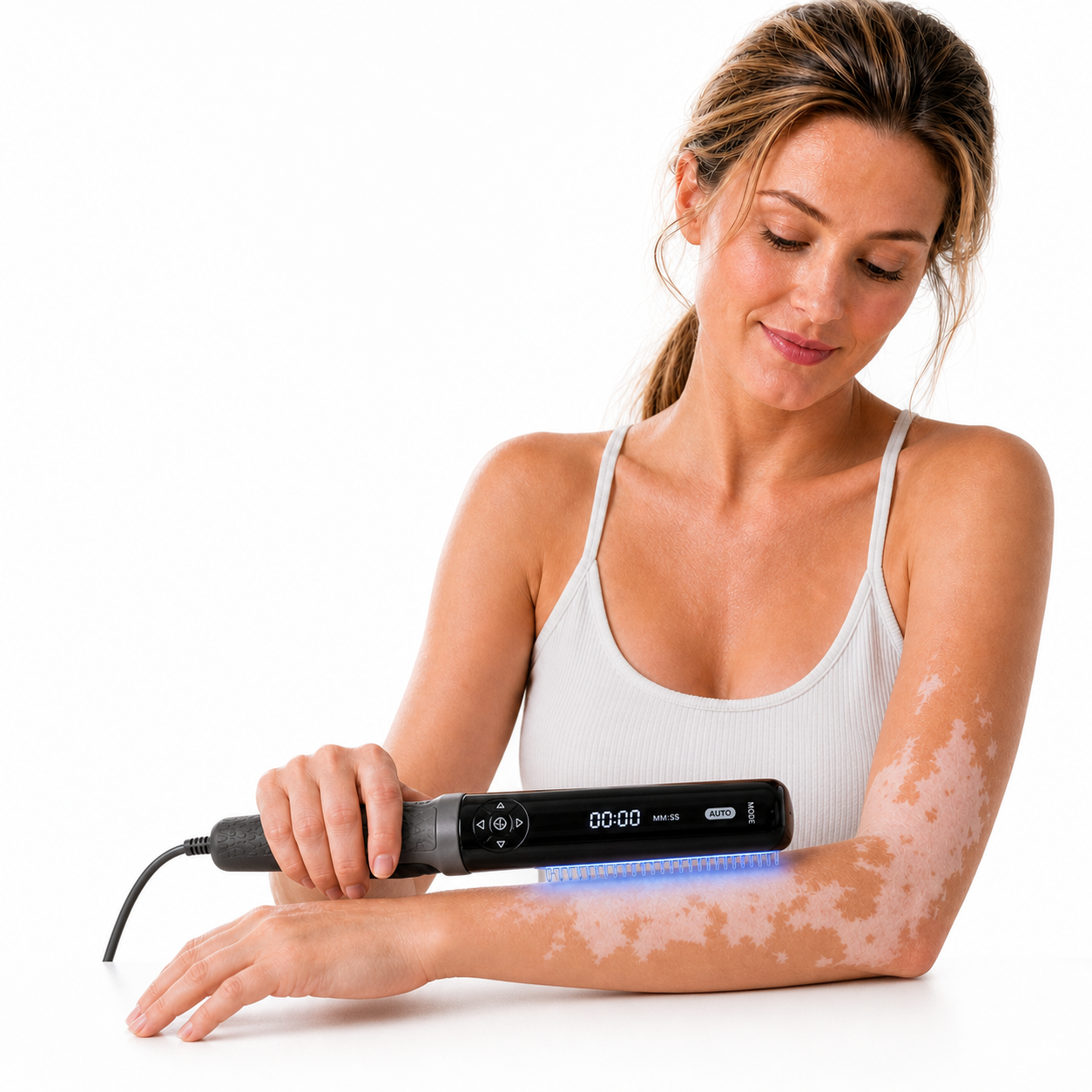
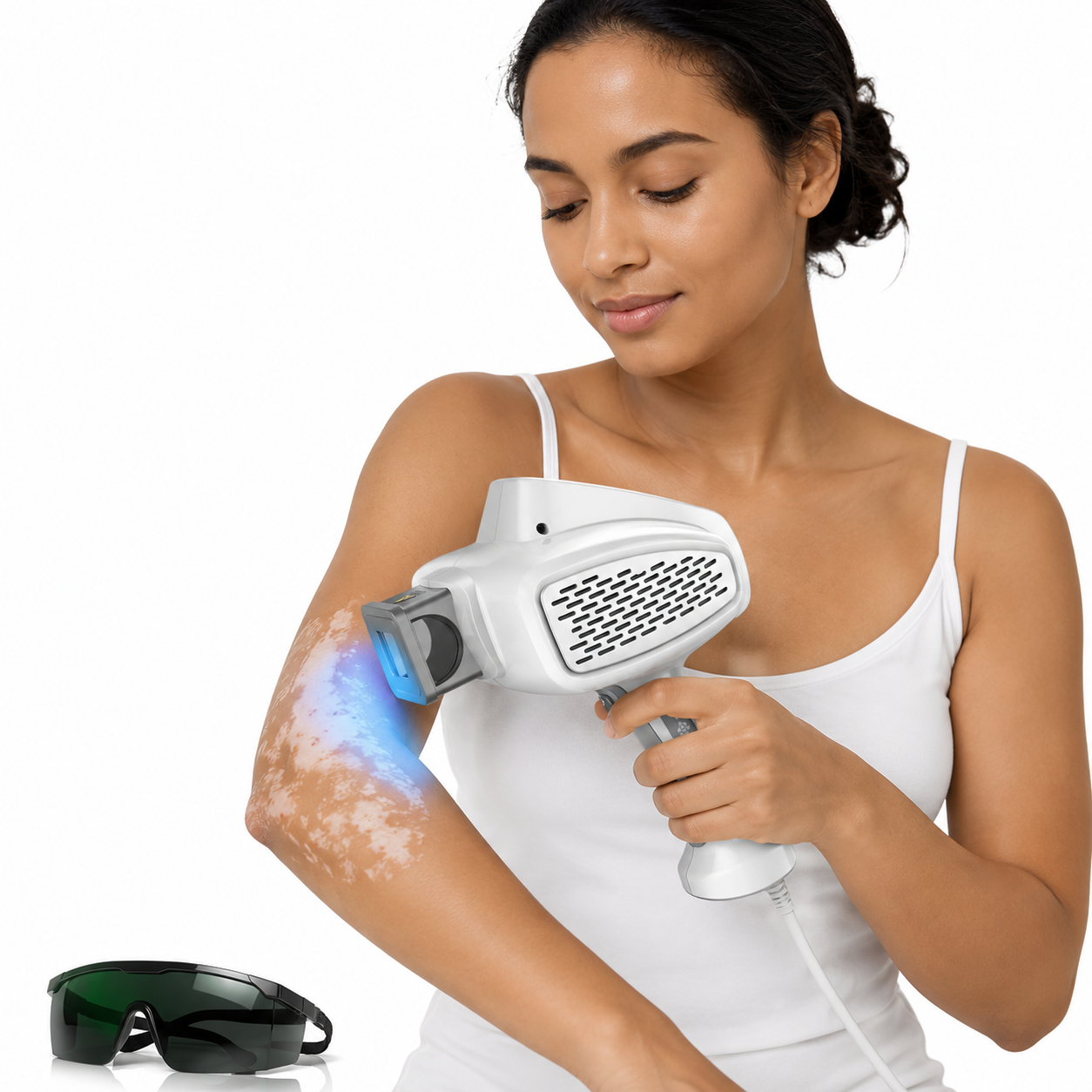
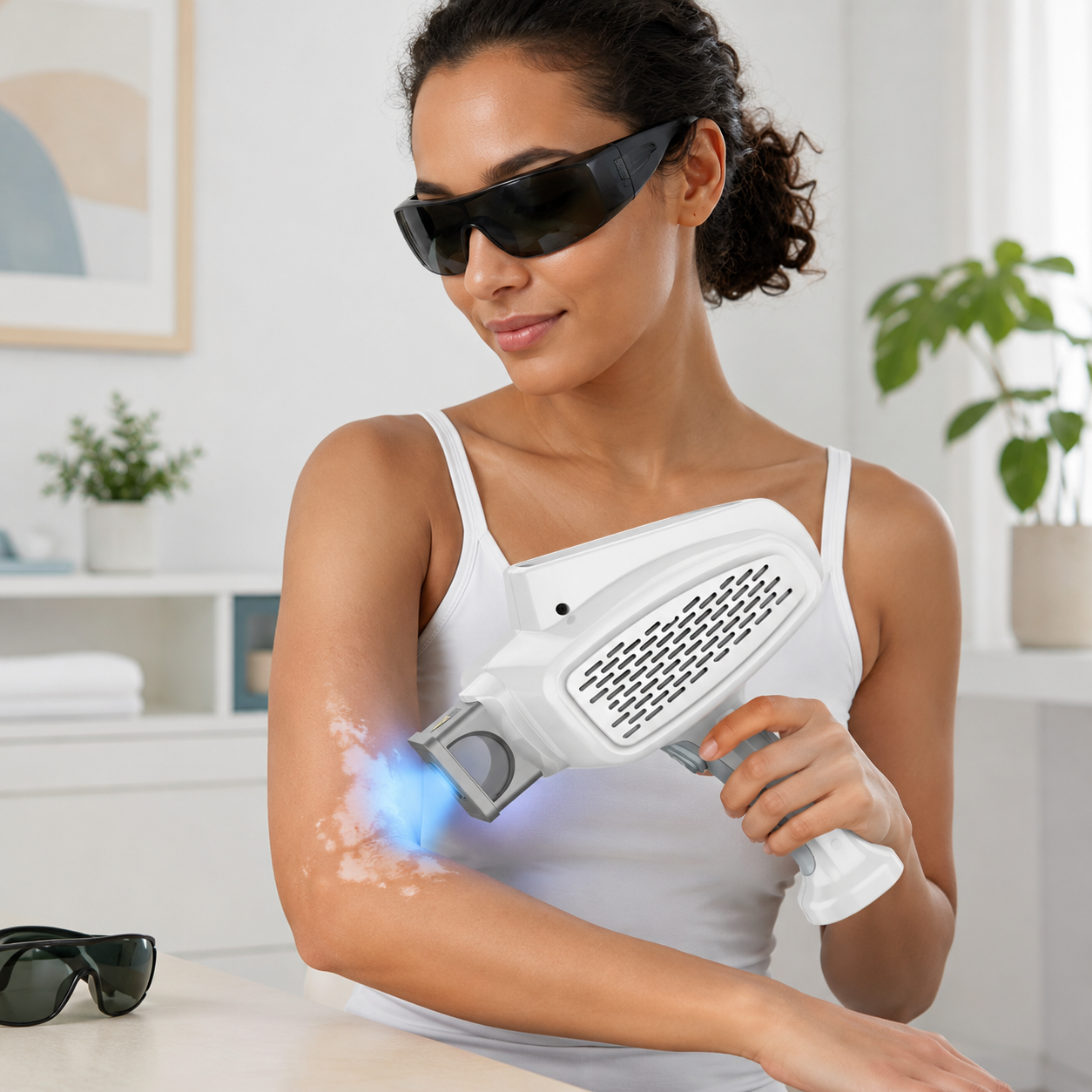
A handheld 308nm UVB phototherapy device is designed for focused use on small, localized skin areas. These compact devices commonly feature a smaller treatment window, adjustable dosage settings, and a digital timer for controlled sessions.
Handheld devices may be suitable when portability and targeted coverage are more important than treating a large area at one time.
Narrowband UVB Lamps
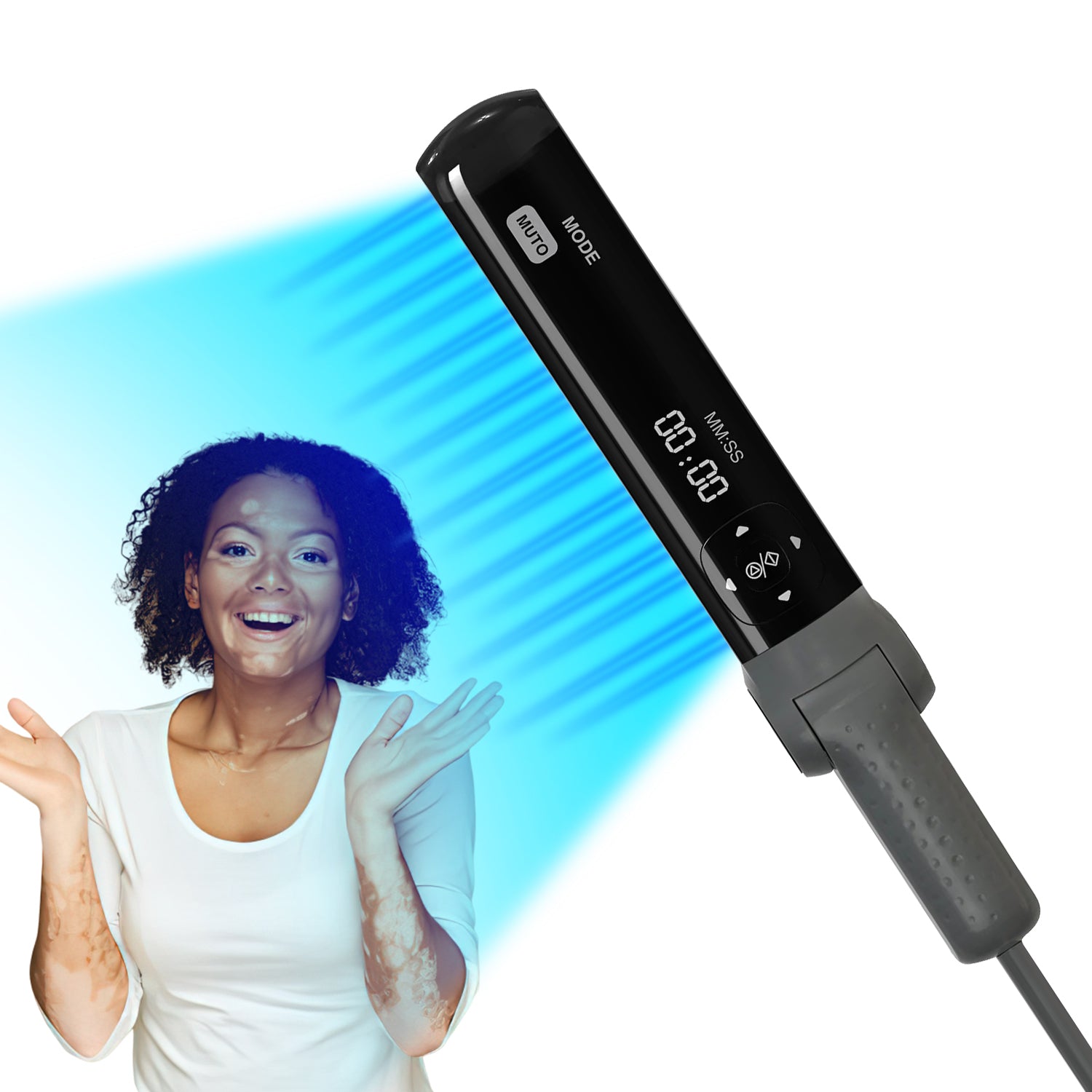
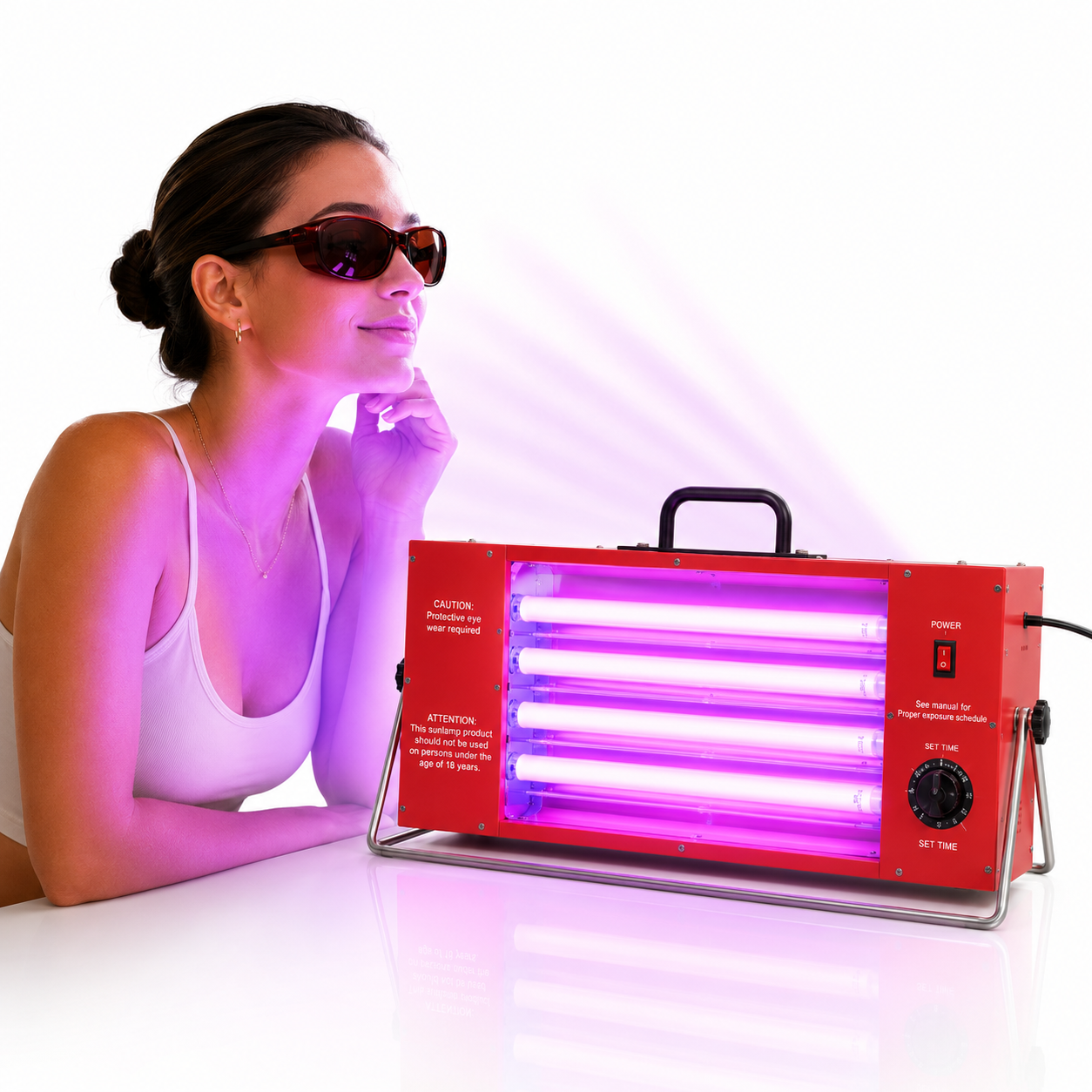
Narrowband UVB devices commonly operate near the 311-313nm range. Depending on their design, they may cover a larger area than a compact 308nm device. They are available in handheld, panel, and larger phototherapy formats.
A dosage schedule created for one wavelength or device should not be transferred to another device without professional guidance.
Larger-Area UVB Phototherapy Systems
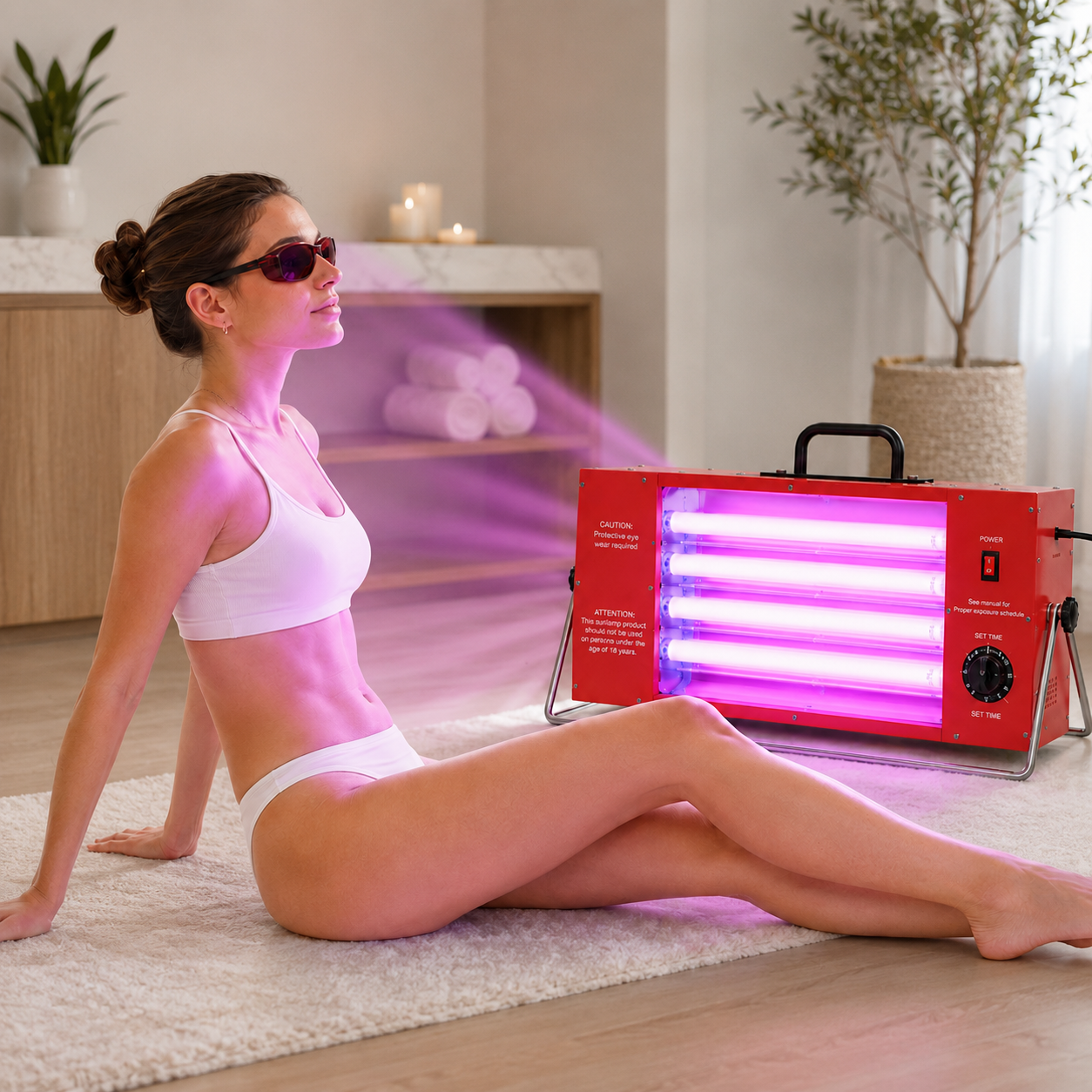
Larger UVB systems are designed to cover broader areas and may be more practical when multiple or widespread areas require exposure. Compare the treatment area, output controls, dimensions, setup requirements, and protective accessories before choosing a system.
308nm vs. Narrowband UVB
Both 308nm and narrowband UVB devices use ultraviolet B light, but they differ in wavelength, treatment area, light source, and dosing method.
- 308nm UVB devices: commonly designed for focused exposure on small, localized areas.
- 311-313nm narrowband UVB devices: available in handheld and larger formats for different coverage requirements.
- Dosage: settings and schedules are device-specific and should not be transferred between different products.
- Best choice: depends on the condition, size and location of the treatment area, skin response, and professional advice.
What to Compare Before Buying
Wavelength
Confirm whether the product uses 308nm UVB, narrowband UVB, or another wavelength. Do not rely only on the words “UV lamp” or “light therapy.”
Treatment Area
Choose a smaller treatment window for localized areas or a larger system when broader coverage is required.
Dosage and Timer Controls
Look for clearly displayed dosage or exposure-time controls. A timer can help support consistent sessions, but it does not replace an appropriate treatment plan.
Protective Accessories
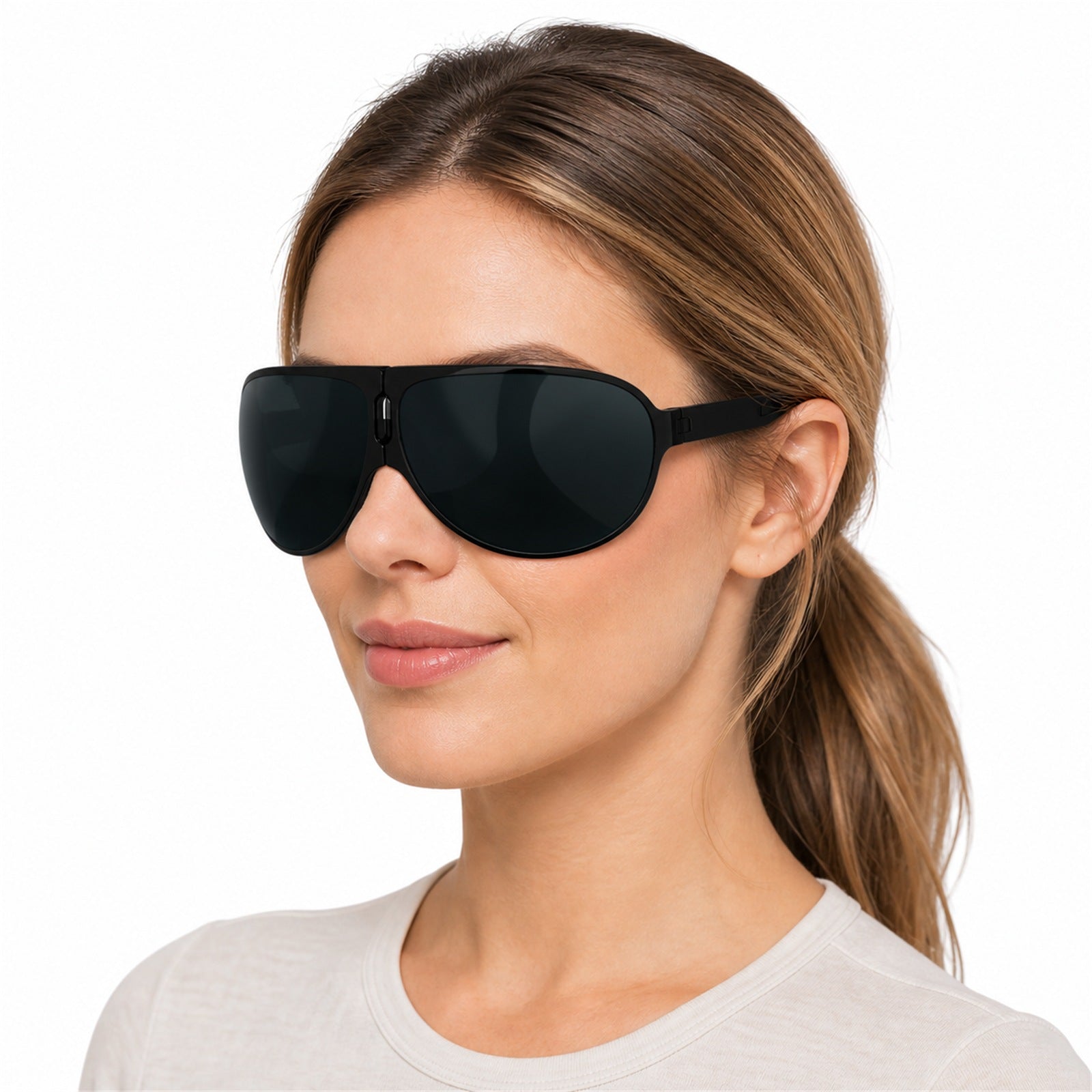
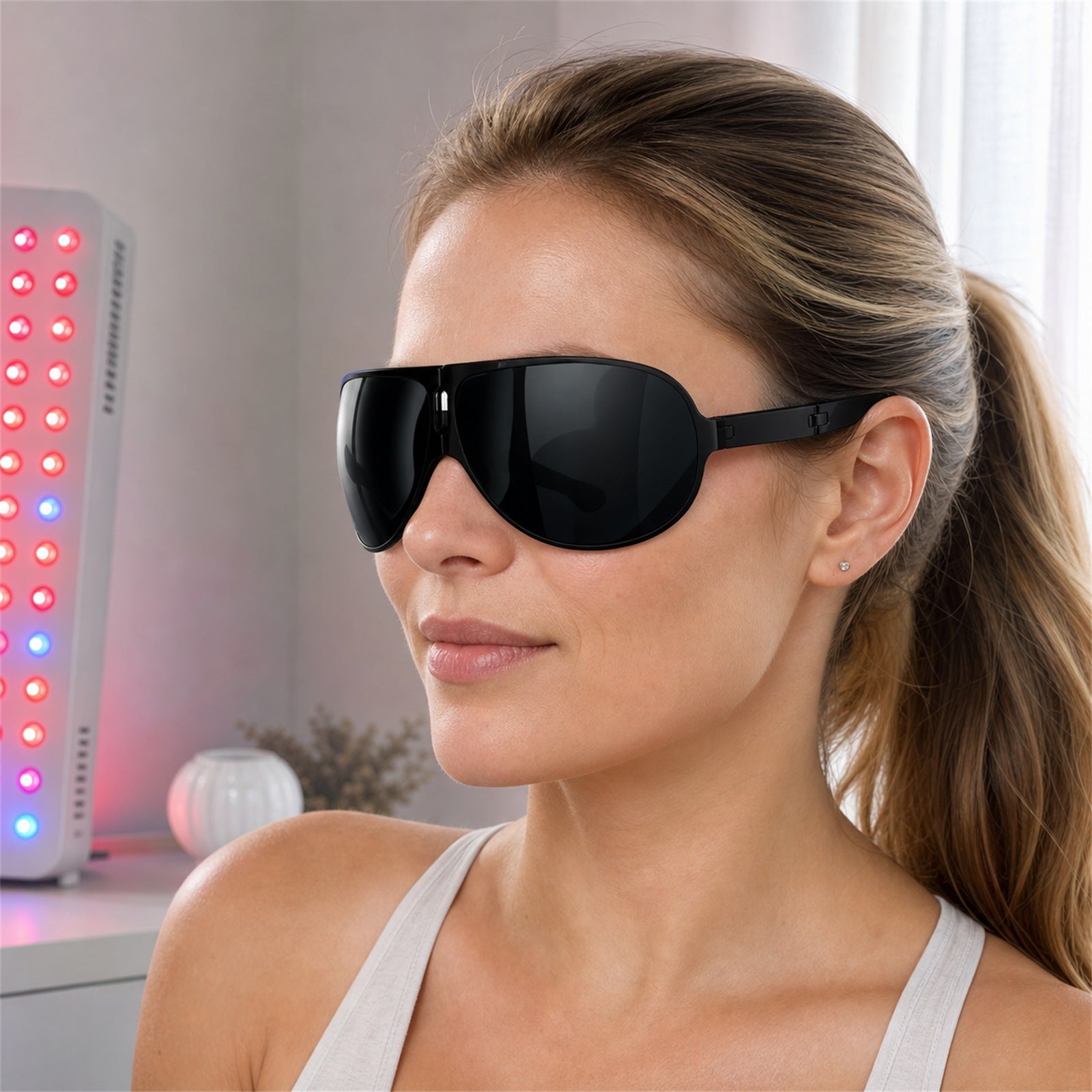
Check whether UV-protective goggles, positioning accessories, replacement parts, and a complete user manual are included.
Device Documentation
Review the exact wavelength, output range, treatment area, model number, manufacturer information, instructions, and applicable regulatory documentation for the individual product.
Can UVB Phototherapy Be Used at Home?
Home UVB phototherapy can provide a more convenient way to follow an established treatment routine, but UV exposure must be carefully controlled. Incorrect dosage, excessive exposure, or inadequate eye protection can cause burns, eye injury, and other unwanted reactions.
Use each device only according to its manual and the instructions provided by a qualified healthcare professional. Requirements for purchasing or using home phototherapy equipment may also vary by country and device type.
Important UVB Safety Information
- Wear UV-protective goggles during every exposure.
- Do not guess or independently accelerate the dosage schedule.
- Do not use another device’s dosage or timing instructions.
- Protect surrounding areas as directed in the product manual.
- Ask a healthcare professional about medications or skincare products that may increase sensitivity to ultraviolet light.
- Seek professional advice before use if you have a photosensitivity disorder or a history of skin cancer.
- Stop use and seek advice if persistent redness, burning, blistering, or another unexpected skin reaction occurs.
Frequently Asked Questions
What is the best UVB light therapy device for home use?
There is no single device that is best for everyone. The appropriate choice depends on the wavelength recommended for you, the size and location of the treatment area, required controls, and whether you need a portable handheld device or a larger phototherapy system.
What conditions is home UVB phototherapy used for?
Healthcare professionals may recommend UVB phototherapy for selected cases of psoriasis, vitiligo, eczema, atopic dermatitis, and other UV-responsive conditions. Suitability must be assessed individually.
Is 308nm UVB the same as 311nm narrowband UVB?
No. They are different wavelengths and may use different light sources, treatment areas, intensity settings, and dosage methods. Their treatment schedules should not be considered interchangeable.
Should I choose a handheld or larger UVB device?
A handheld UVB lamp is generally more practical for small, localized areas. A larger phototherapy system may be more suitable when broader coverage is required. Follow the recommendation of your healthcare professional.
How long does home UVB phototherapy take to work?
There is no guaranteed timeline. Response varies according to the condition, treatment area, wavelength, dose, skin type, consistency, and other therapies. Progress should be monitored with a healthcare professional.
Can I use UVB phototherapy with medication?
Ask your healthcare professional before combining UVB exposure with topical or oral medication. Some medications and skincare products can increase sensitivity to ultraviolet light.
Is home UVB light therapy risk-free?
No. UVB can cause sunburn-like reactions, dryness, irritation, blistering, and eye injury when used incorrectly. Long-term ultraviolet exposure also requires appropriate medical supervision and monitoring.
Do all UVB devices include protective goggles?
Included accessories vary by product. Review the individual product page to confirm whether goggles, a user manual, plugs, replacement parts, or other accessories are included.
Learn More About Home Phototherapy
For general medical information about home phototherapy and UVB safety, visit DermNet and the National Psoriasis Foundation. These references provide general information and do not verify or endorse any specific KTS product.
This collection page provides general product-selection information and is not a substitute for diagnosis, medical advice, or an individual treatment plan. Product specifications and included accessories vary.
Page content last updated: July 14, 2026.